- English
- Español
- Português
- русский
- Français
- 日本語
- Deutsch
- tiếng Việt
- Italiano
- Nederlands
- ภาษาไทย
- Polski
- 한국어
- Svenska
- magyar
- Malay
- বাংলা ভাষার
- Dansk
- Suomi
- हिन्दी
- Pilipino
- Türkçe
- Gaeilge
- العربية
- Indonesia
- Norsk
- تمل
- český
- ελληνικά
- український
- Javanese
- فارسی
- தமிழ்
- తెలుగు
- नेपाली
- Burmese
- български
- ລາວ
- Latine
- Қазақша
- Euskal
- Azərbaycan
- Slovenský jazyk
- Македонски
- Lietuvos
- Eesti Keel
- Română
- Slovenski
- मराठी
- Srpski језик

What is HDPE?
What is HDPE?
HDPE is the abbreviation of "High Density Polyethylene" in English, referring to high-density polyethylene.
High-density polyethylene, with the English name "High Density Polyethylene", is abbreviated as "HDPE". HDPE is a thermoplastic resin with high crystallinity and non-polar nature. The original state of HDPE has a milky white appearance and is semi-transparent to a certain extent in the thin cross-section.
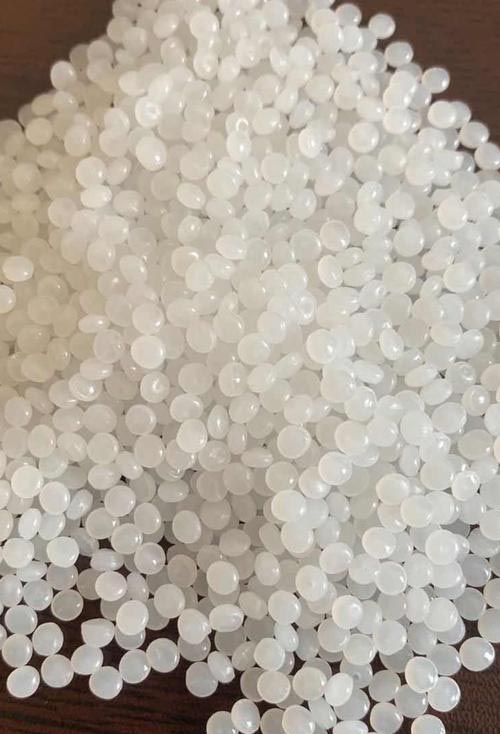
PE has excellent resistance to most chemicals used in daily life and industry. Certain types of chemicals can cause chemical corrosion, such as corrosive oxidants (concentrated nitric acid), aromatic hydrocarbons (xylene), and halogenated hydrocarbons (carbon tetrachloride). This polymer does not absorb moisture and has good waterproof and vapor-proof properties, making it suitable for packaging purposes. HDPE has excellent electrical properties, especially high insulation dielectric strength, making it very suitable for use in wires and cables. Medium to high molecular weight grades have excellent impact resistance, both at room temperature and even at -40°F low temperatures.
The unique characteristics of various grades of HDPE are the appropriate combination of four basic variables: density, molecular weight, molecular weight distribution, and additives. Different catalysts are used to produce custom polymers with special properties. These variables are combined to produce different HDPE grades for different applications; achieving the best balance in performance.