- English
- Español
- Português
- русский
- Français
- 日本語
- Deutsch
- tiếng Việt
- Italiano
- Nederlands
- ภาษาไทย
- Polski
- 한국어
- Svenska
- magyar
- Malay
- বাংলা ভাষার
- Dansk
- Suomi
- हिन्दी
- Pilipino
- Türkçe
- Gaeilge
- العربية
- Indonesia
- Norsk
- تمل
- český
- ελληνικά
- український
- Javanese
- فارسی
- தமிழ்
- తెలుగు
- नेपाली
- Burmese
- български
- ລາວ
- Latine
- Қазақша
- Euskal
- Azərbaycan
- Slovenský jazyk
- Македонски
- Lietuvos
- Eesti Keel
- Română
- Slovenski
- मराठी
- Srpski језик

Why Is High-Quality Shade Net Essential for Modern Agriculture and Construction?
Across global agricultural and construction sectors, effective sunlight management and site protection have become non-negotiable requirements. Among available solutions, the shade net stands out as a versatile and indispensable tool. Its ability to regulate temperature, block harmful UV radiation, and protect crops or worksites has driven widespread adoption. Producers and contractors alike seek durable, reliable netting solutions to enhance productivity and safety. One enterprise, Yantai Double Plastic Industry Co., Ltd., has emerged as a key manufacturing force, delivering specialized netting that meets rigorous industry demands.
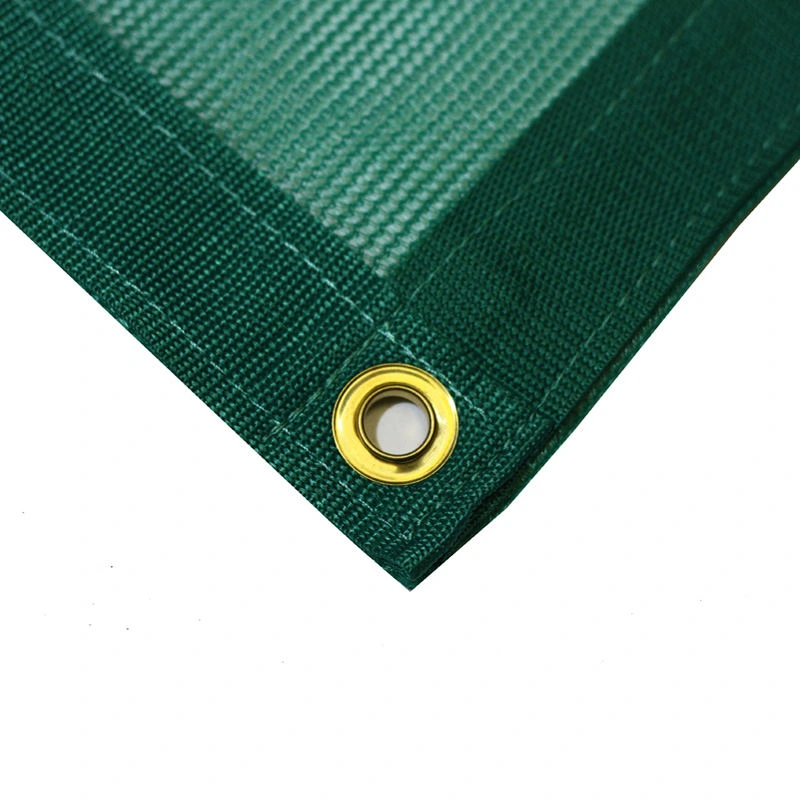
Primary Functions of Protective Covering Systems
A well-constructed protective covering performs multiple critical roles. In agricultural environments, it reduces heat stress on plants, minimizes water evaporation, and creates a microclimate that boosts yield quality. For construction zones, the same material functions as debris control and scaffolding enclosure, preventing falling objects and containing dust. The material’s lightweight yet robust nature allows easy installation over greenhouses, livestock shelters, or building perimeters. When specifying such solutions, choosing a high-grade shade net ensures consistent field performance.
Key Performance Attributes of Modern Netting Solutions
When evaluating protective netting, professionals focus on tensile strength, UV resistance, and airflow capacity. A superior product maintains structural integrity under strong winds and prolonged sun exposure without degrading. Additionally, different shading rates—ranging from light diffused cover to heavy blockage—enable tailored solutions for orchards, nurseries, or parking canopies. Yantai Double Plastic Industry Co., Ltd. integrates advanced HDPE resins and precision raschel knitting to produce netting that resists tearing and fading, ensuring long service cycles.
Typical Application Scenarios for Protective Netting
| Industry Sector | Primary Purpose | Recommended Net Feature |
|---|---|---|
| High-Value Crop Farming | Reduce solar radiation and heat damage | Dense weave with high UV blockage |
| Building Construction Sites | Contain debris and enhance scaffold safety | Heavy-duty tear-resistant mesh |
| Sports & Leisure Facilities | Wind protection and spectator shading | Medium shade rate with good airflow |
| Port & Coal Yard Operations | Dust suppression and cargo cover | Large width rolls for fast installation |
Selecting the Right Covering Based on Environmental Factors
Not all netting performs equally under diverse conditions. For windy coastal regions, a reinforced product with double-stitched edges and grommets prevents unravelling. In arid inland farms, higher density shading preserves soil moisture and lowers irrigation frequency. Meanwhile, for scaffolding perimeters, flame-retardant properties and visible color options enhance site compliance. Professionals must assess the required shading percentage—commonly thirty to ninety percent—and match it to crop sensitivity or safety regulations. Yantai Double Plastic Industry Co., Ltd. offers customized production lines, allowing clients to specify dimensions, color, and mesh density without compromising structural quality. Incorporating a reliable shade net into these designs guarantees predictable outcomes.
Material Innovations Driving Durability and Sustainability
The evolution from traditional woven fabrics to modern knitted HDPE nets has revolutionized the industry. High-density polyethylene ensures chemical resistance and non-absorbent behavior, preventing mildew or rot. Advanced UV stabilizers embedded during extrusion grant decades of outdoor functionality. Moreover, recyclable raw materials align with circular economy goals, reducing waste. Leading manufacturers like Yantai Double Plastic Industry Co., Ltd. have adopted strict quality protocols, producing netting that withstands extreme temperature fluctuations while remaining lightweight for handling and storage.
Integrating Protective Netting with Complementary Safety Systems
In construction environments, protective netting often works alongside warning safety fences, debris nets, and scaffolding safety nets to create a comprehensive fall protection and containment system. For example, attaching shade fabric to perimeter fences prevents unauthorized view and windblown dust, while an underlying safety net catches tools or materials. Agriculture benefits similarly by pairing cloth with windproof mesh to shield sensitive seedlings from desiccation. Such integrated approaches maximize protection per unit cost, reducing the need for multiple standalone barriers. The right shade net acts as the central component in these layered systems.
Comparison Between Standard and Reinforced Netting Grades
Industry professionals frequently debate whether to select economy-grade or premium-grade materials. Standard nets suit temporary or low-wind applications where cost is the main constraint. Reinforced versions, incorporating heavier yarns and denser stitching, deliver longer replacement intervals and better resistance to mechanical damage. While initial investment differs, lifecycle analysis often favors reinforced options for permanent installations. Yantai Double Plastic Industry Co., Ltd. provides both categories, clearly specifying tensile ratings and UV resistance levels, so engineers and farm managers can make informed choices.
Functional Comparison of Netting Types
| Netting Type | Typical Mesh Openness | Ideal Use Environment | Service Life Expectancy |
|---|---|---|---|
| Light Protective Net | Highly open (good airflow) | Greenhouses, orchid nurseries | Several growing seasons |
| Medium Density Net | Balanced ventilation and shading | Vegetable farms, livestock housing | Extended outdoor usage |
| Heavy Duty Scaffolding Net | Tight weave with reinforced borders | Construction perimeters, high-rise works | Years with proper handling |
Role of Manufacturing Excellence in Netting Performance
Production consistency directly determines whether a protective covering meets advertised specifications. Modern factories employ automated raschel knitting machines with real-time tension control to ensure uniform mesh openings and weight per square meter. Inline UV testing and tensile checks reject substandard rolls before packaging. Yantai Double Plastic Industry Co., Ltd. has established itself as a leading manufacturing enterprise in China by operating multiple advanced production lines and maintaining strict internal standards. Their annual capacity supports large-scale projects without sacrificing material consistency, a critical factor for contractors sourcing netting for multi-year infrastructure jobs.
Quality Assurance Measures in HDPE Net Manufacturing
Reputable producers follow standardized test methods such as ISO or ASTM equivalents to verify breaking force, elongation, and UV degradation resistance. Each batch of netting should be accompanied by technical datasheets reporting shade percentage, weight, and flammability class. For scaffolding safety applications, additional certification for impact resistance and flame spread rating is mandatory in many regions. Yantai Double Plastic Industry Co., Ltd. integrates such testing protocols into its workflow, ensuring that every roll of netting—whether for agricultural shading or construction safety—delivers reliable field performance. Using a certified shade net from such a facility eliminates performance guesswork.
Innovations Shaping the Future of Protective Netting Technology
The next generation of protective netting incorporates smart additives that change color based on temperature or light intensity, providing dynamic shading adjustment. Researchers are also experimenting with biodegradable polymer blends for temporary applications, reducing environmental footprint. Meanwhile, modular attachment systems using click-lock grommets and quick-release tensioners cut installation time significantly. As these innovations mature, early adopters gain competitive advantages through lower labor costs and improved crop or site outcomes. Yantai Double Plastic Industry Co., Ltd. actively monitors these trends, adapting its product portfolio to include enhanced features while retaining the fundamental robustness of traditional HDPE nets.
Compatibility with Automated Greenhouse Systems
Modern commercial greenhouses often deploy motorized retractable shade systems. For these installations, the netting must glide smoothly along guide wires and resist fraying under repeated rolling cycles. Specialized reinforced edges and anti-static treatments prevent jamming and dust accumulation. Furthermore, high light transmission uniformity ensures that plants at the edges receive comparable illumination to those in the center. Yantai Double Plastic Industry Co., Ltd. provides custom widths and edge reinforcements tailored to automated greenhouse structures, enabling seamless integration with climate control software.
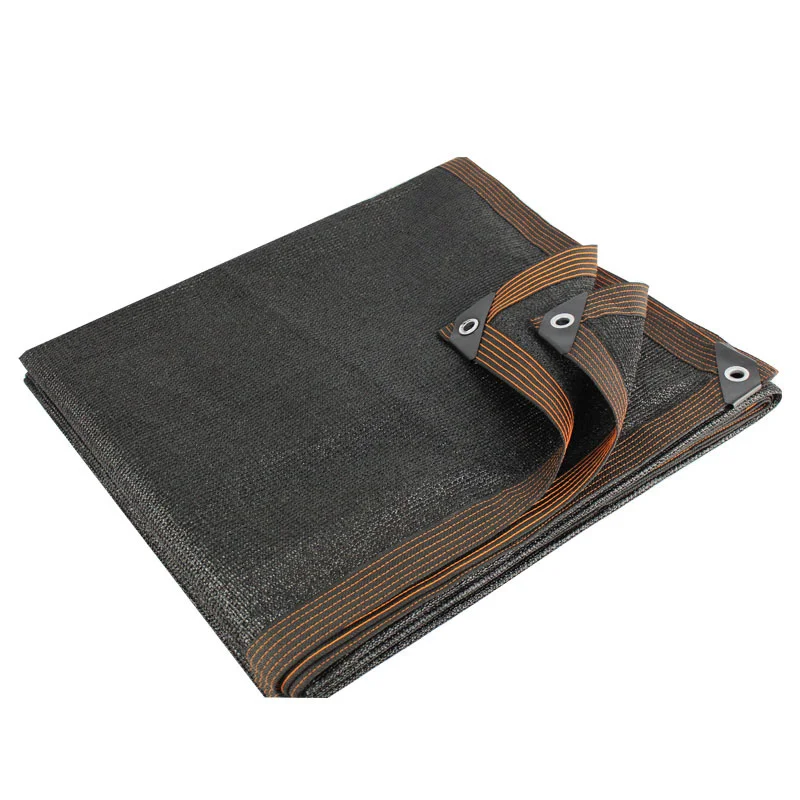
Best Practices for Installation and Maintenance
Even the highest-quality protective netting fails prematurely if installed incorrectly. Key steps include using corrosion-resistant fasteners, avoiding over-tension that distorts mesh openings, and leaving sufficient overlap between adjacent panels to prevent light gaps. Periodic inspections should focus on abrasion points where netting rubs against metal frames. Cleaning with mild soap and water removes dust and algae that could accelerate UV degradation. When damage occurs, repair kits with self-adhesive patches extend service life without full replacement. Yantai Double Plastic Industry Co., Ltd. supplies detailed installation manuals and spare parts for their netting products, supporting long-term maintenance programs.
Common Errors That Reduce Netting Longevity
One frequent mistake is selecting a shade percentage too high for the intended crop, leading to etiolated growth or excessive humidity. Another is ignoring wind load calculations, causing netting to tear at grommet points during storms. Storage of removed nets in damp or rodent-prone areas also shortens functional lifespan. Professionals avoid these issues by consulting technical guidelines and performing site-specific risk assessments. Manufacturers like Yantai Double Plastic Industry Co., Ltd. offer application engineering support, helping customers choose the correct mesh density and attachment strategy for local climate conditions.
Economic and Operational Advantages of Standardized Netting Systems
Standardizing protective netting specifications across multiple project sites simplifies inventory management and reduces waste. For large agricultural conglomerates, using identical netting for all greenhouses enables easy replacement from a central stockpile. Similarly, construction firms that adopt a single scaffolding net type across job sites train crews more efficiently and negotiate volume pricing. This approach also streamlines quality control because repeat orders from the same production batch guarantee consistent performance. Yantai Double Plastic Industry Co., Ltd. facilitates standardization by maintaining stable raw material sourcing and production parameters, ensuring that netting produced years apart exhibits identical mechanical and optical properties.
How Netting Selection Impacts Project Sustainability Metrics
Green building certifications increasingly reward the use of durable, recyclable containment systems. A long-lasting protective net reduces replacement frequency, lowering embodied carbon associated with manufacturing and transport. Additionally, proper shading reduces air conditioning loads for temporary structures and minimizes water evaporation from reservoirs or irrigation channels. Organizations aiming for sustainability benchmarks should request environmental product declarations from netting suppliers. Yantai Double Plastic Industry Co., Ltd. provides documentation on material composition and recyclability, supporting clients’ environmental compliance goals.
Industry Leadership and Reliable Supply Chain for Protective Netting
Sourcing protective netting from a manufacturer with proven scale and technical expertise reduces project risk. Yantai Double Plastic Industry Co., Ltd. has grown rapidly since its establishment, continuously improving production levels and expanding its sales team to serve international clients. Their factory now operates ten advanced production lines, covering HDPE nets and PVC/PE tarpaulins, with a strong focus on agricultural, construction, aquaculture, sports, dock, coal yard, and transportation applications. By prioritizing consistent quality and responsive logistics, the company has become a trusted partner for organizations requiring dependable netting solutions worldwide. Every shade net produced under their management reflects rigorous engineering and field-ready durability.
For decision-makers evaluating long-term shading and safety investments, the choice of supplier directly influences operational continuity. Yantai Double Plastic Industry Co., Ltd. combines technical know-how, large-scale capacity, and a comprehensive product range—including debris netting, scaffolding safety nets, greenhouse shade cloth, and windproof mesh. This integrated approach allows clients to source multiple netting types from a single manufacturing enterprise, simplifying procurement and ensuring compatibility across different safety barriers. As industry demands evolve, the company remains committed to advancing netting technologies, delivering products that meet rigorous performance standards in every roll.