- English
- Español
- Português
- русский
- Français
- 日本語
- Deutsch
- tiếng Việt
- Italiano
- Nederlands
- ภาษาไทย
- Polski
- 한국어
- Svenska
- magyar
- Malay
- বাংলা ভাষার
- Dansk
- Suomi
- हिन्दी
- Pilipino
- Türkçe
- Gaeilge
- العربية
- Indonesia
- Norsk
- تمل
- český
- ελληνικά
- український
- Javanese
- فارسی
- தமிழ்
- తెలుగు
- नेपाली
- Burmese
- български
- ລາວ
- Latine
- Қазақша
- Euskal
- Azərbaycan
- Slovenský jazyk
- Македонски
- Lietuvos
- Eesti Keel
- Română
- Slovenski
- मराठी
- Srpski језик

The Light Transmittance of PVC Tarpaulin
PVC tarpaulin is a widely used flexible composite material, made by coating polyvinyl chloride (PVC) resin on a polyester fabric base. One of its key practical properties is light transmittance, which determines its suitability for lighting and daylighting applications.
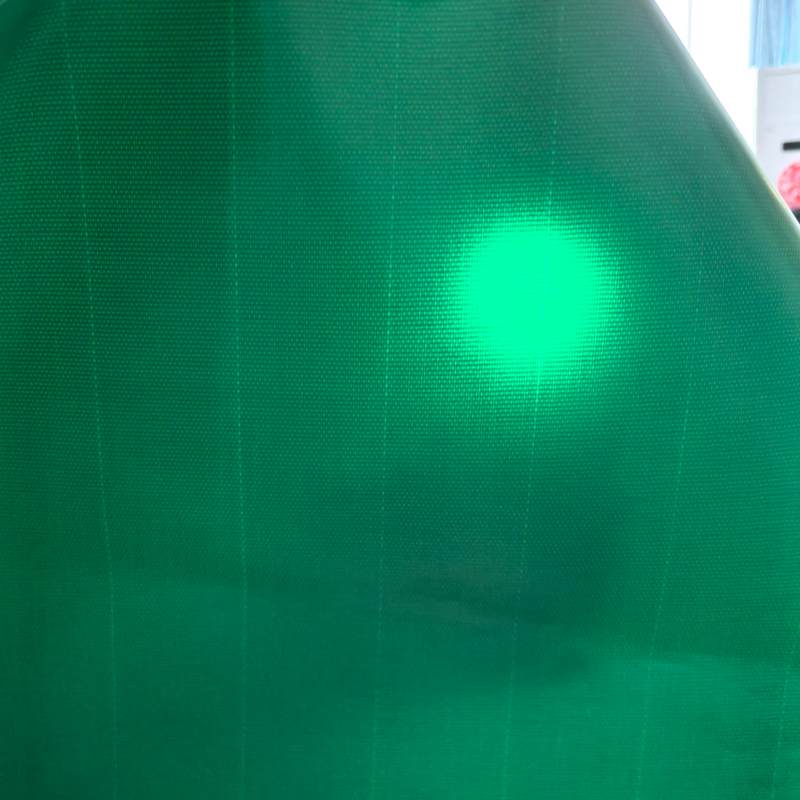
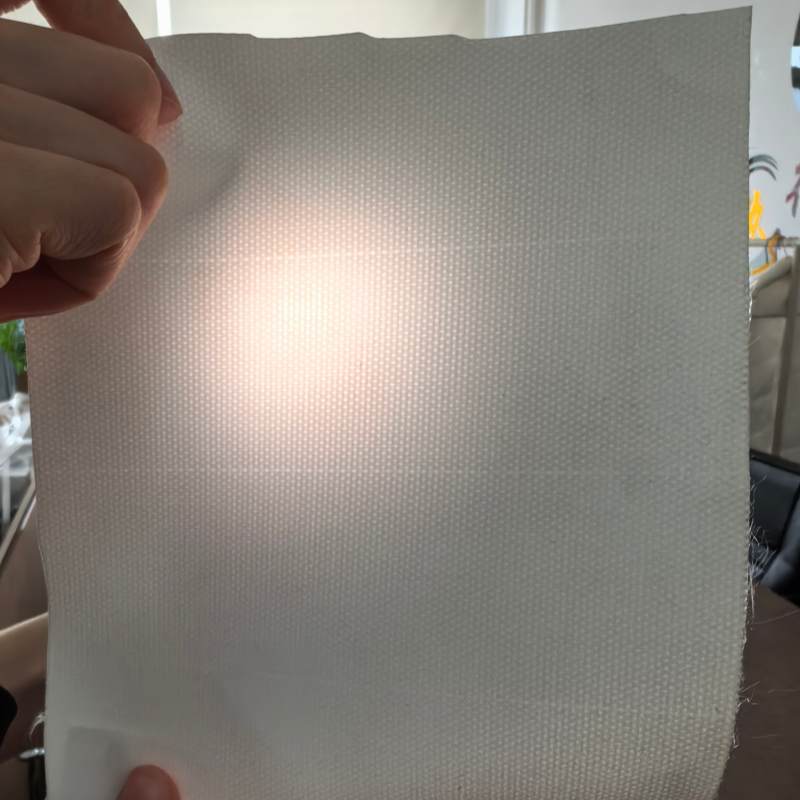
PVC tarpaulin is commonly perceived as an opaque and solid covering material. Many people assume it blocks all light, but this is a misunderstanding. In reality, PVC tarpaulin does transmit light—even standard dark or opaque PVC tarpaulin allows a certain amount of light to pass through.
Light transmittance refers to the percentage of visible light that passes through the tarpaulin. Standard PVC tarpaulins usually have a transmittance rate of 5% to 15%, belonging to low-transmittance materials. Specially processed transparent/translucent PVC tarpaulins can reach 30% to 60%, allowing soft natural light to penetrate while blocking strong direct sunlight and ultraviolet rays.
This property comes from its material structure: the transparent PVC coating layer allows light to pass, and the base fabric density controls the transmittance. Higher transmittance products use finer base fabrics and high-transparency PVC materials.
PVC tarpaulin with good light transmittance is widely used in daylighting sheds, agricultural greenhouses, temporary tents, storage covers and outdoor sunshades. It balances light transmission and weather resistance, providing both lighting and protection from rain, wind and UV damage.
In summary, the light transmittance of PVC tarpaulin can be adjusted by formula and process, making it a multifunctional material that meets the needs of daylighting while ensuring durability and practicality.