- English
- Español
- Português
- русский
- Français
- 日本語
- Deutsch
- tiếng Việt
- Italiano
- Nederlands
- ภาษาไทย
- Polski
- 한국어
- Svenska
- magyar
- Malay
- বাংলা ভাষার
- Dansk
- Suomi
- हिन्दी
- Pilipino
- Türkçe
- Gaeilge
- العربية
- Indonesia
- Norsk
- تمل
- český
- ελληνικά
- український
- Javanese
- فارسی
- தமிழ்
- తెలుగు
- नेपाली
- Burmese
- български
- ລາວ
- Latine
- Қазақша
- Euskal
- Azərbaycan
- Slovenský jazyk
- Македонски
- Lietuvos
- Eesti Keel
- Română
- Slovenski
- मराठी
- Srpski језик

How to Choose the Right Shade Net: A Scientific Guide to Beating the Heat
From Farm to Backyard, Selecting the Perfect Shade Net Requires Matching Technology with Needs
As summer temperatures continue to rise, shade nets have become an essential tool for both agricultural management and urban comfort. However, with a wide variety of materials, functions, and specifications available on the market, how can consumers and producers make the best choice for sun protection, cooling, and durability? Through interviews with agricultural suppliers, professional growers, and home improvement experts, we have compiled a comprehensive guide to selecting the right shade net.
1. Start with the Scenario: Define Your Needs
“First, consider where it will be used,” experts emphasize. Different applications demand different features:
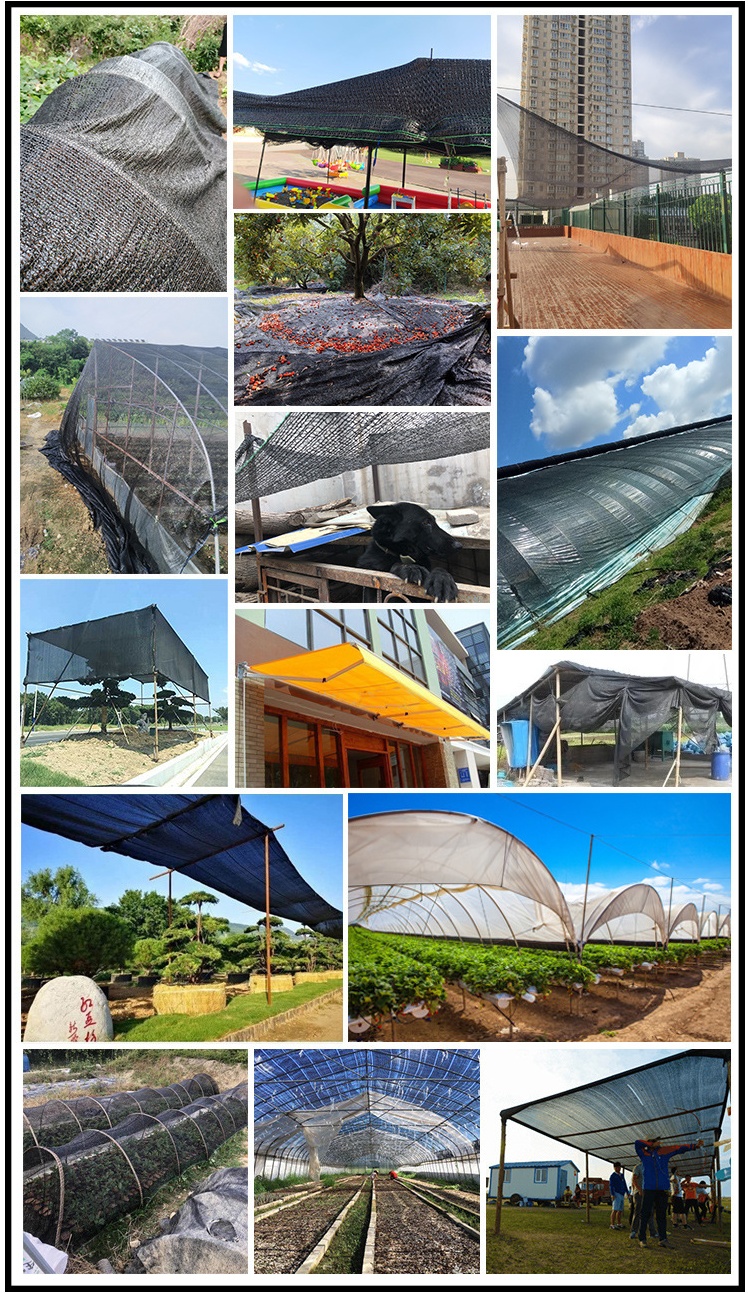
Agriculture: Shade nets are widely used in farming, and the choice depends on crop light requirements. Leafy vegetables, for example, thrive under higher shade rates (70%–85%), while flowering plants and fruiting crops may require moderate shading (50%–70%). Additional factors like wind resistance and durability are crucial for open fields or greenhouse use.
Construction and Industrial Sites: For temporary fencing, dust control, or material covering, durability, flame resistance, and strength are top priorities.
Home and Public Spaces: Whether for a balcony, garden, parking lot, or sports stadium, aesthetics, ease of installation, and safety play a key role alongside basic sun protection.
2. Decoding the Specifications: Materials and Performance
A high-quality shade net combines material science, manufacturing processes, and functional design. Key factors to consider include:Shade Rate: Higher Isn’t Always Better
Shade rates typically range from 40% to 95%. Low shade rates (40%–60%) provide soft light for sun-loving plants or mild sun protection. Medium rates (70%–80%) are versatile for general use. High rates (90% and above) are ideal for creating full shade in storage areas or for shade-tolerant plants. Experts caution against over-shading, which can hinder plant growth or make spaces too dark.
Material and Craftsmanship: Core Determinants of Lifespan
Common Materials: Polyethylene (PE) nets are lightweight, affordable, and offer good UV protection, making them suitable for farming and home use. Polyester nets excel in tensile strength and durability, ideal for long-term industrial or public applications.
Specialized Nets: Aluminum-coated shade nets reflect sunlight effectively, providing superior cooling effects—perfect for greenhouses in hot climates.
Production Details: Knitted nets offer better elasticity and tear resistance, while UV-stabilized and anti-aging treatments can extend a net’s lifespan from one or two years to three to five years or more.
Color and Design: Balancing Function and Aesthetics
Color influences performance: Black nets provide high shade but absorb more heat. Silver-gray or aluminum-colored nets reflect light and heat, reducing temperatures underneath. Green or blue nets offer moderate shading while blending into garden or home environments. Practical features like reinforced edges, grommets, or straps also enhance ease of installation and stability.
3. Market Insights: Avoid Low-Cost Traps, Prioritize Long-Term Value
Our investigation reveals that some low-cost shade nets are made from recycled materials. These products tend to be brittle, uneven in color, and emit odors, often degrading quickly under sun exposure. Industry insiders advise choosing reputable brands and requesting quality certifications. For large-scale or long-term projects, testing samples beforehand is recommended to assess density, flexibility, and shading effectiveness.
4. Expert Tips: Proper Installation and Maintenance
Even the best shade net requires correct installation. Agricultural technician Mr. Li advises, “Ensure the net is taut and flat to prevent water pooling. Secure it firmly, especially in windy areas, and maintain some distance from plants or structures for ventilation.” Regular cleaning to remove dust and proper storage during off-seasons can significantly extend the net’s lifespan.
Conclusion
From traditional farming tools to modern urban applications, the humble shade net represents a blend of material science, environmental adaptation, and practical design. As high temperatures become more frequent, making an informed choice not only protects crops and property but also creates a more comfortable and cost-effective shaded space. Taking the time to research and compare options is an investment in quality and performance.